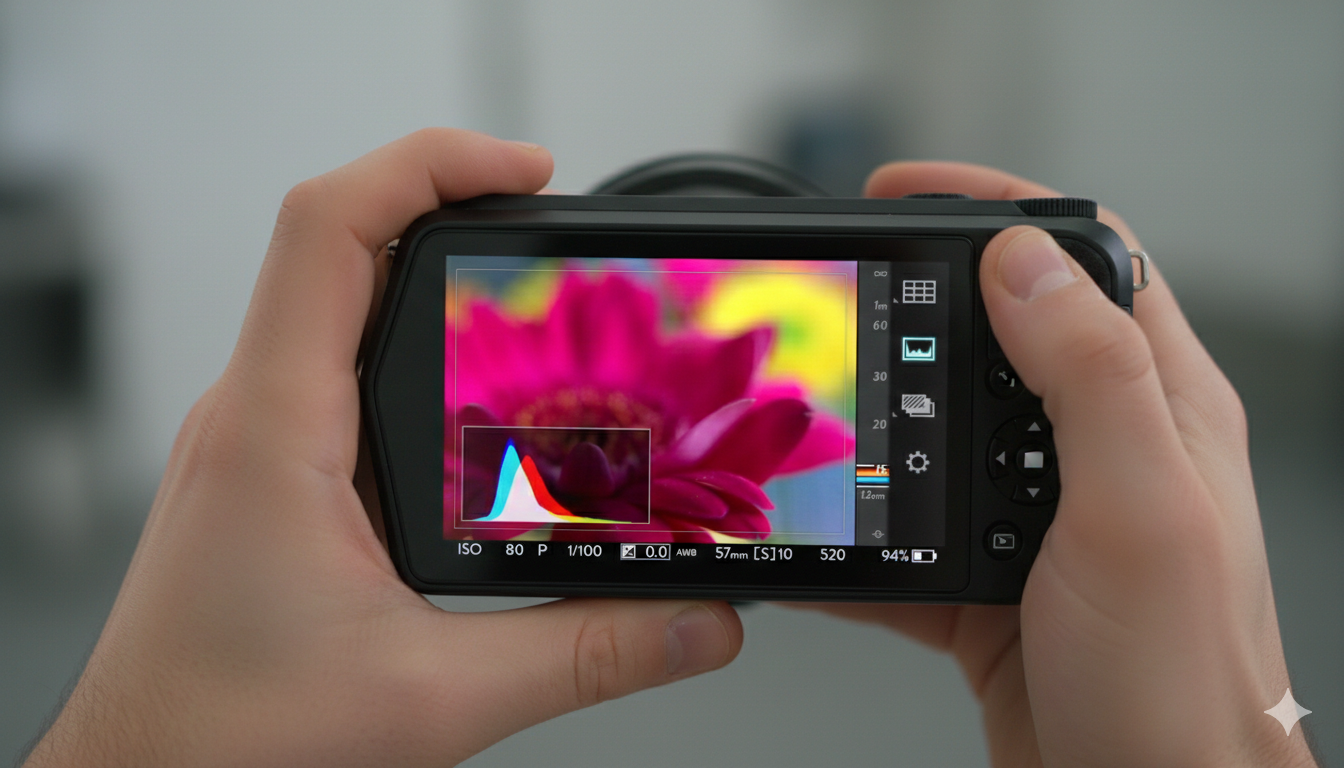
In this video, Connecting Depth to Living Pictures, we explore how depth perception transforms static visuals into immersive, emotionally engaging experiences. From understanding the basic cues the human eye uses to perceive space, to applying motion and compositional layering, the video breaks down how “living pictures” are created across photography, video, and digital media.
(Source: Lytro, Adam Gould, March 13, 2018, Original URL, Archived URL)
Video Summary
| Timeline | Description |
| 00:00 – 00:40 | Introduction: Why Depth Matters in Living Pictures The video opens by framing the core problem: why flat images often fail to feel “alive,” and how depth perception plays a crucial role in making pictures feel immersive. This section sets the conceptual foundation for connecting visual depth with emotional engagement. |
| 00:41 – 01:30 | Understanding Depth Perception in Visual Media This segment explores how humans perceive depth through visual cues such as scale, overlap, perspective, and motion. It establishes the difference between simply seeing an image and experiencing spatial realism. |
| 01:31 – 02:20 | From Static Images to “Living” Visuals Here, the video transitions from theory to application, showing how still or minimally animated images can feel dynamic when depth cues are correctly applied. The concept of “living pictures” is introduced as images that suggest space, presence, and continuity. |
| 02:21 – 03:15 | Motion as a Connector Between Layers of Depth This section highlights motion (camera movement, parallax, or subject movement) as a powerful tool for reinforcing depth. Even subtle motion can activate depth layers and transform a flat composition into a spatial experience. |
| 03:16 – 04:20 | Practical Techniques for Creating Depth The video presents practical visual strategies—such as foreground/background separation, focus shifts, and compositional layering—that help connect depth to perceived realism. These techniques are applicable across photography, video, and digital art. |
| 04:21 – 05:20 | Emotional Impact of Depth in Visual Storytelling This segment emphasizes that depth is not just technical, but emotional. Images with believable depth feel more human, more relatable, and more engaging, helping viewers emotionally connect with what they see. |
| 05:21 – 05:55 | Conclusion: Making Pictures Feel Alive The video concludes by reinforcing the central idea: depth is the bridge between static imagery and living pictures. When depth cues, motion, and composition work together, visuals move beyond representation and into experience. |
Key Takeaways
- Depth is the foundation of “living pictures.” Images feel alive when they convey space, presence, and spatial relationships—not just detail or color.
- Depth perception relies on multiple visual cues. Perspective, scale, layering, focus, and overlap work together to create believable spatial realism.
- Motion activates depth. Subtle movement, parallax, or camera shifts help reveal depth layers and transform flat visuals into immersive experiences.
- Layering enhances realism and clarity. Clear separation between foreground, midground, and background strengthens visual storytelling.
- Depth increases emotional engagement. Spatially rich images feel more human and relatable, making them more effective for storytelling and communication.
- Creating depth is about intention, not complexity. Thoughtful composition and minimal motion often achieve stronger results than overloading an image with effects.
Explore more videos in this series
- Introducing Lytro ILLUM
- Shooting Simple Living Pictures
- Connecting Depth to Living Pictures
- Composing for Depth
- Exploring Depth of Field